
Ceremonial Grade · Uji, Japan
Matcha with
standards.
Most brands start at the bag. We start at the source—certified organic Japanese matcha, selected lot by lot and verified by an independent third-party lab for fluoride, heavy metals, pesticides, and purity.
From
$79.99
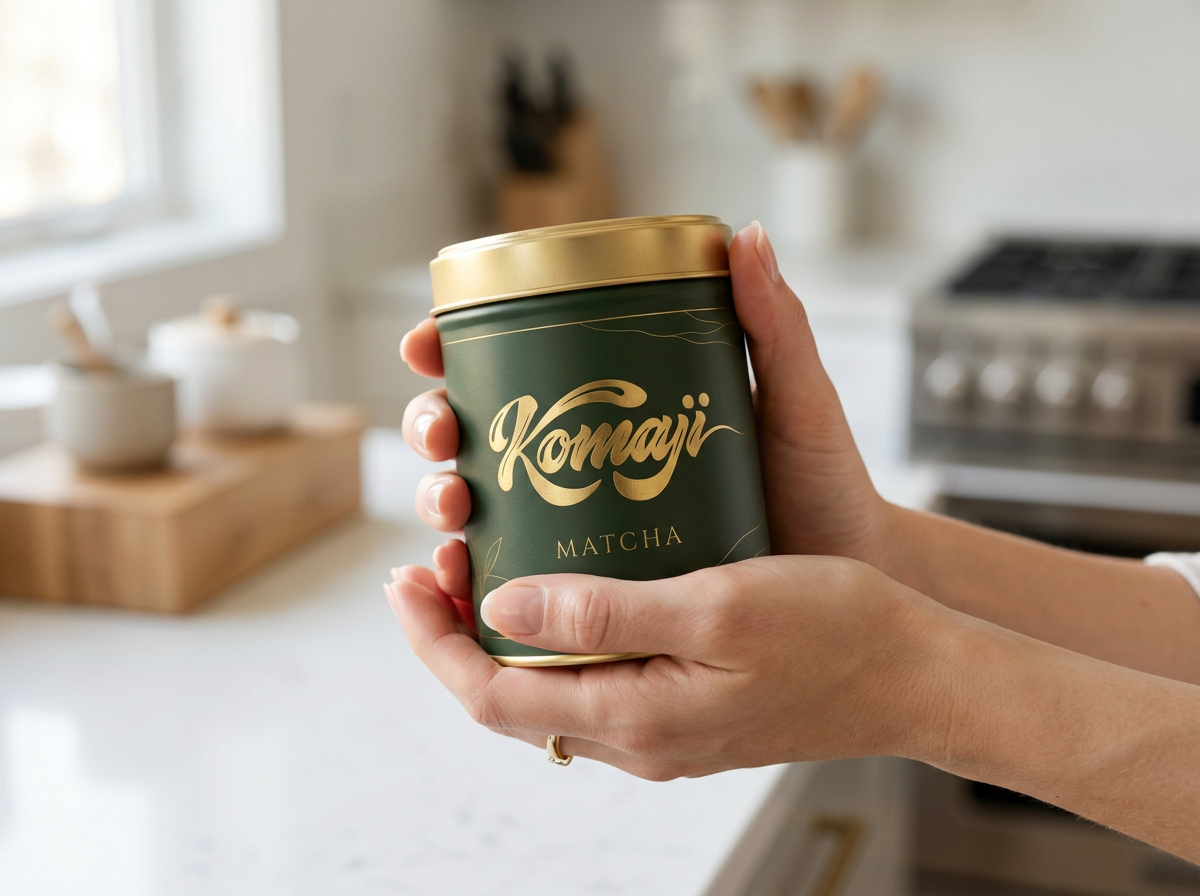
Source · Standard · Proof
A slower way to source matcha.
We work backwards from the cup. Every lot is chosen for growing region, cultivar, and harvest—then verified before it earns the Komaji name.
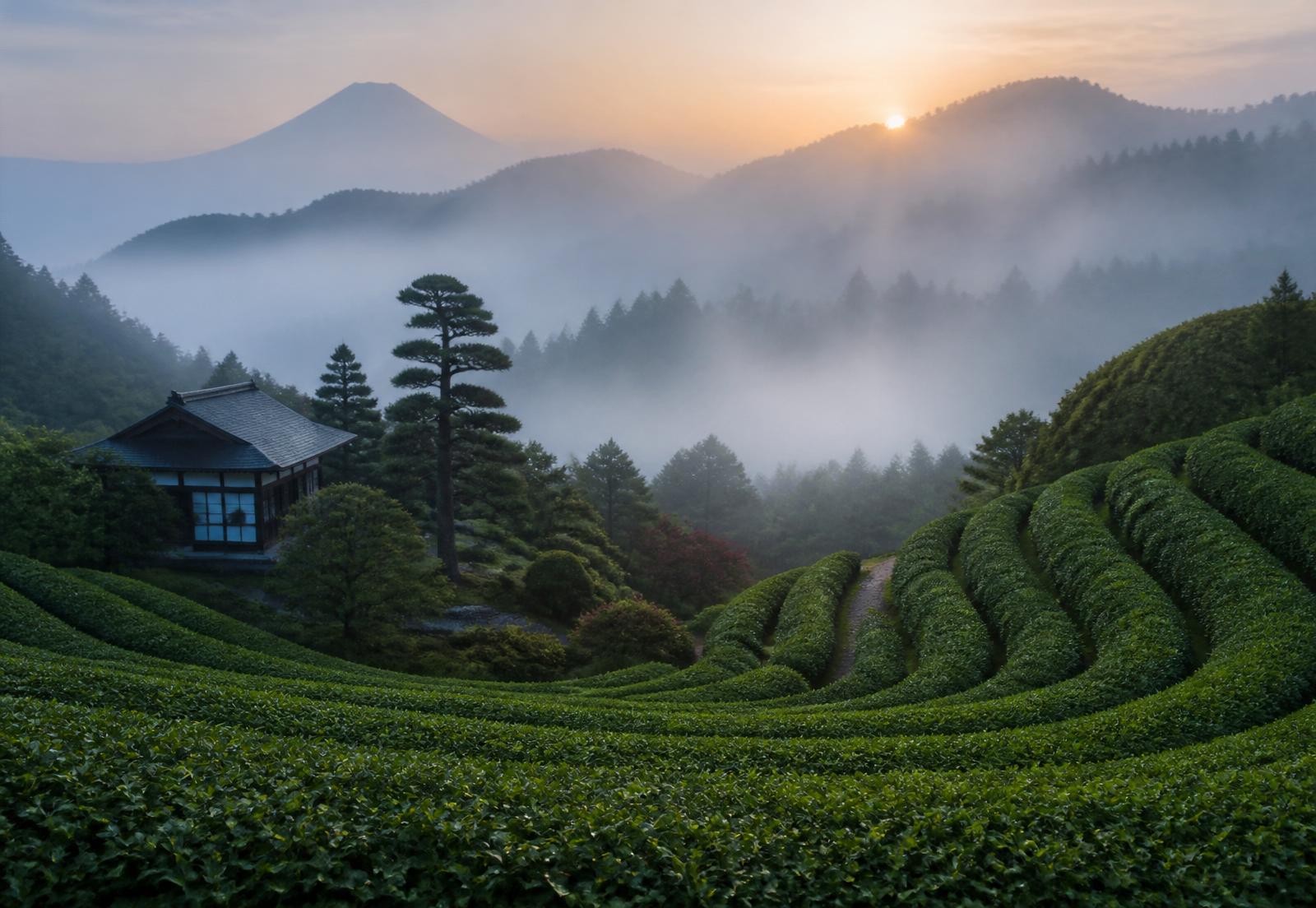
— 01
Source
Shaded fields in premium tea regions.
We work with certified organic growers across Japan's most respected matcha regions—Uji, Nishio, and Kagoshima—where shaded first-harvest tencha is stone-milled into vivid, aromatic matcha.
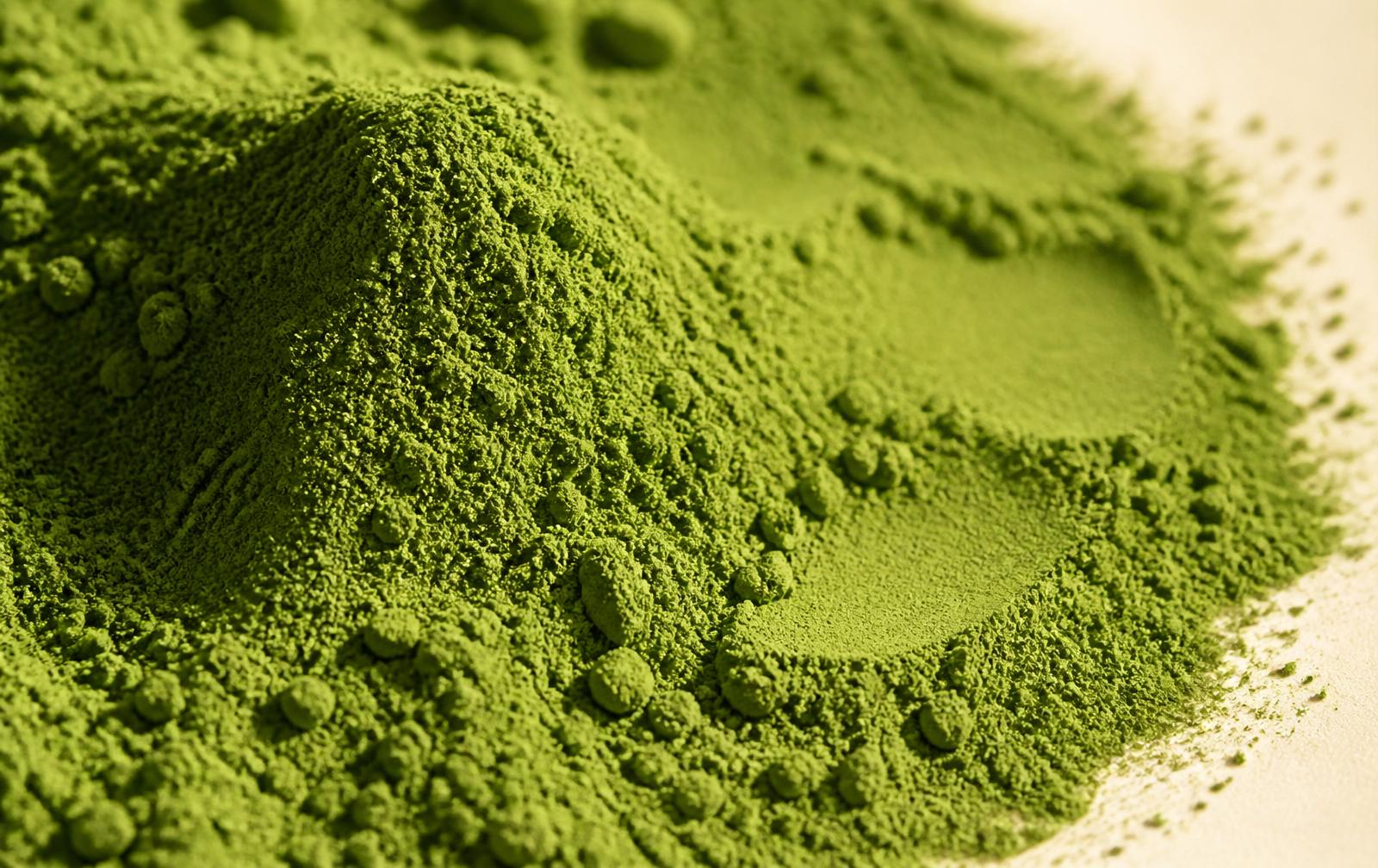
— 02
Standard
Organic, without compromise.
Every lot is JAS or USDA certified organic. No fillers, no colorants, no blends of unknown origin. What's in the tin is what was grown—nothing more.
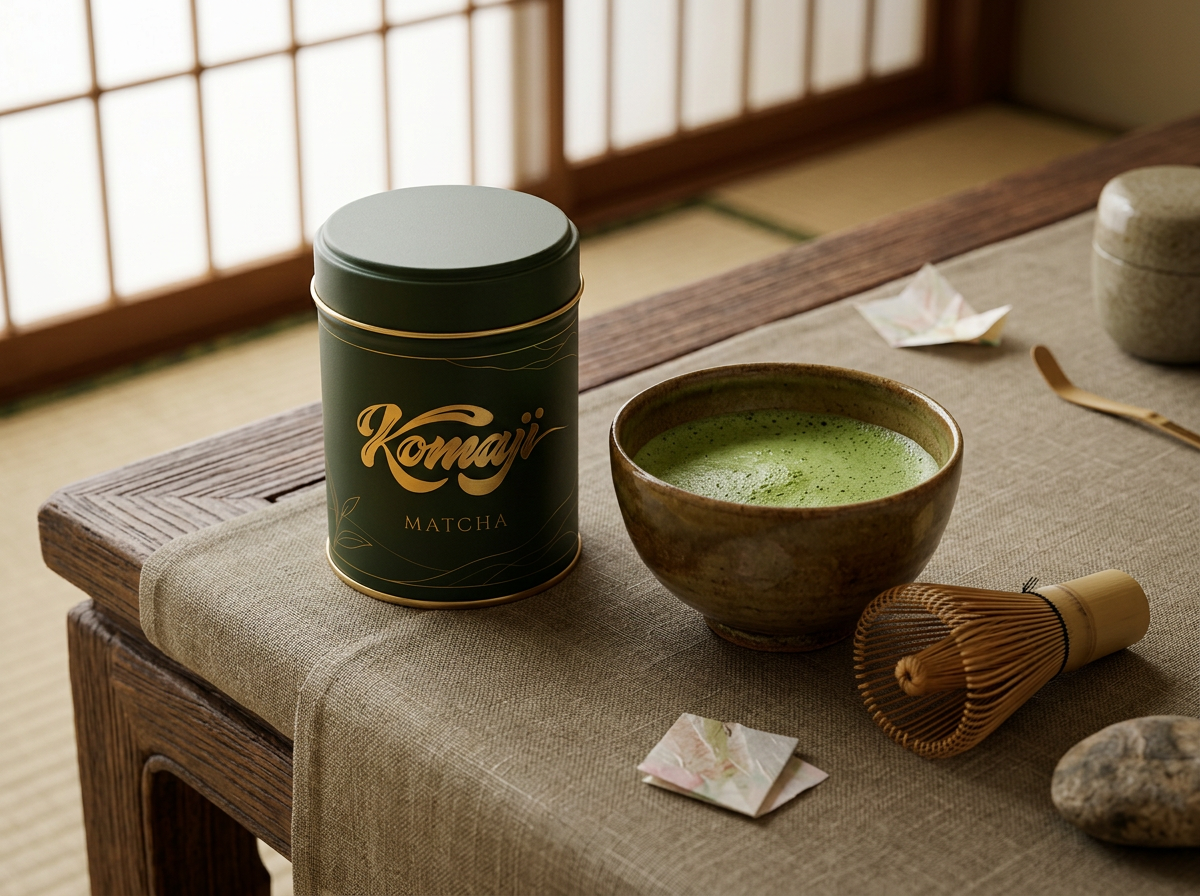
— 03
Proof
Independently verified, lot by lot.
Before a lot ships, an accredited third-party lab tests it for fluoride, heavy metals, and pesticide residues. Results are reviewed against our internal purity threshold. If a lot doesn't clear, it doesn't ship.
Field to Bowl
From a shaded field,
into your bowl.
Scroll through the journey—first-harvest tencha, stone-milled slow, sealed at peak vibrancy.
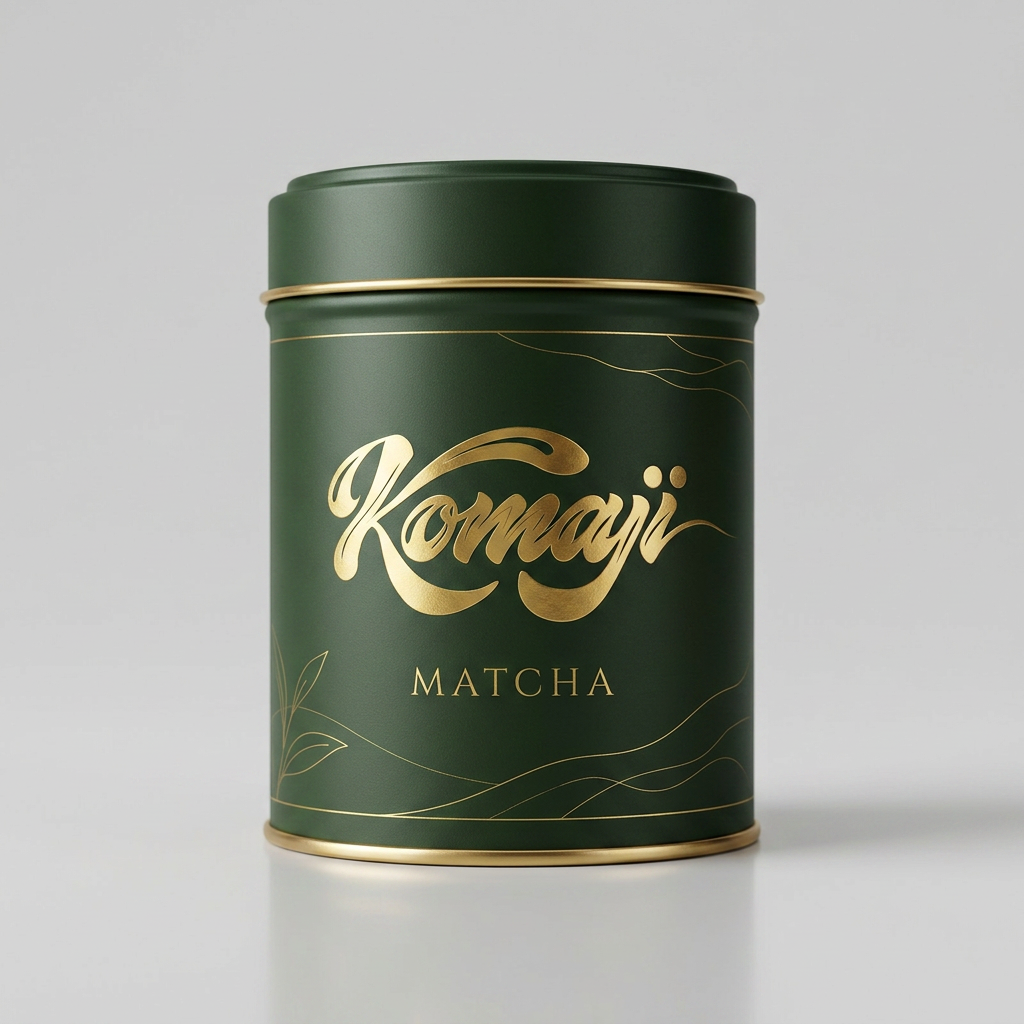
The Product
Komaji Ceremonial Matcha
30g Tin · Nº 001
First-harvest, stone-milled ceremonial matcha. Smooth, sweet, and vegetal—built for a proper bowl or a slow morning latte.
$79.99
- Certified organic
- Third-party tested
- First-harvest tencha
- Stone-milled in Japan
The Ritual
A quiet start to
a considered day.
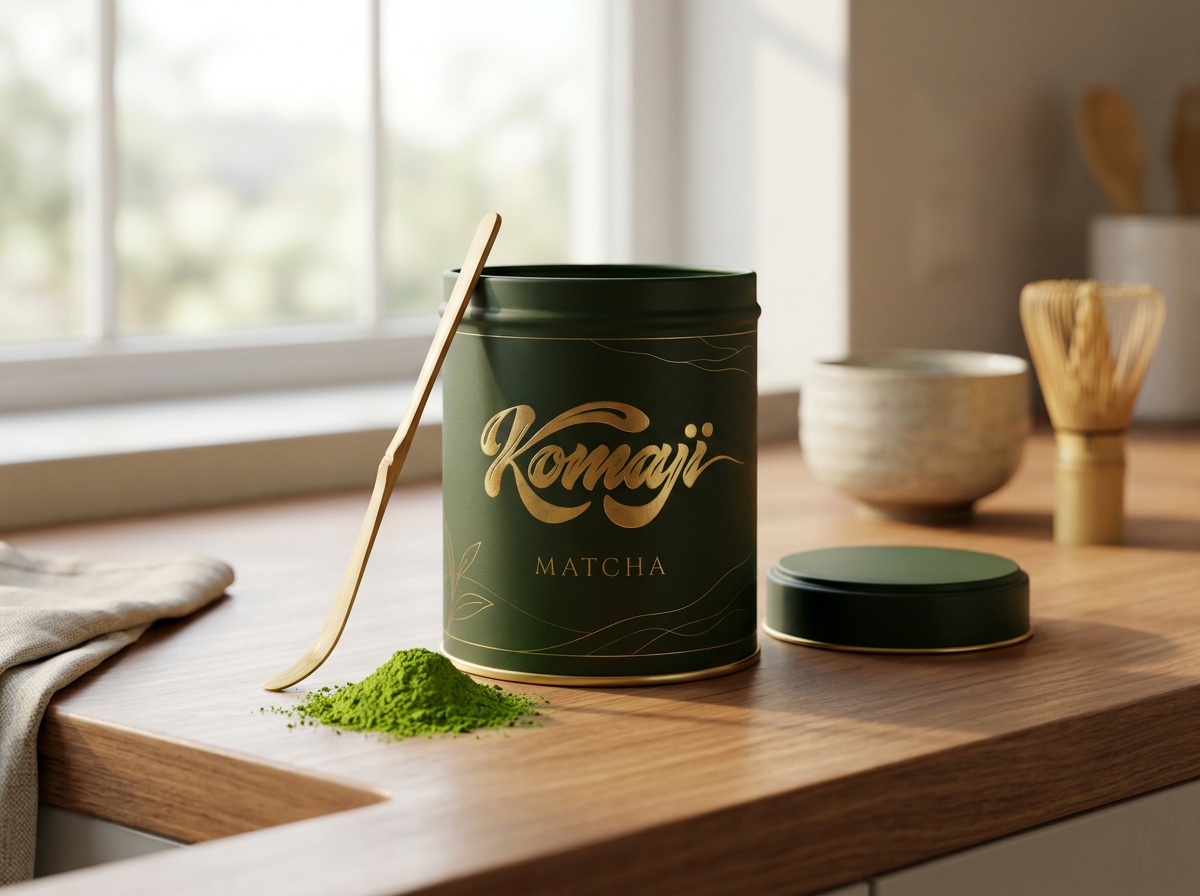
Sift. Pour. Whisk in a slow W until a fine crema rises. Ten minutes of ceremony— a smoother, more focused kind of energy. No jitter, no crash.
- 01
Sift
2g (½ tsp) into a warm chawan.
- 02
Pour
60ml water at 75°C.
- 03
Whisk
In a brisk W-motion until foamed.
What we test for
Proof, not promises.
Every lot is submitted to an independent, accredited lab before it earns the Komaji name. If a lot doesn't clear our internal thresholds, it doesn't ship.
01 /04
Fluoride
Screened against internal thresholds informed by daily-consumption research.
02 /04
Heavy metals
Lead, cadmium, arsenic, and mercury tested by an accredited third-party lab.
03 /04
Pesticides
Multi-residue panel covering commonly detected agricultural compounds.
04 /04
Purity
Confirms single-origin matcha—no fillers, colorants, or blended additions.
Independent testing methodology, accredited laboratory partners, and internal purity thresholds. No medical claims are made about matcha consumption.
FAQ
Questions,
considered.
Where is Komaji matcha sourced?
From certified organic growers across Uji, Nishio, and Kagoshima—regions long recognized for shaded, first-harvest tencha that becomes ceremonial matcha.
What does 'independently tested' mean?
Each lot is submitted to an accredited third-party lab before it ships. We test for fluoride, heavy metals (including lead, cadmium, arsenic, mercury), pesticide residues, and single-origin purity.
How does it taste?
Smooth, gently sweet, and deeply vegetal with a lingering umami finish. No bitterness or grassiness—hallmarks of a low-quality or oxidized matcha.
How do I prepare it?
Sift 2g into a warm chawan, add 60ml of water at ~75°C, and whisk briskly in a W-motion until a fine crema forms. For a latte, thin with 120ml of steamed milk.
Correspondence